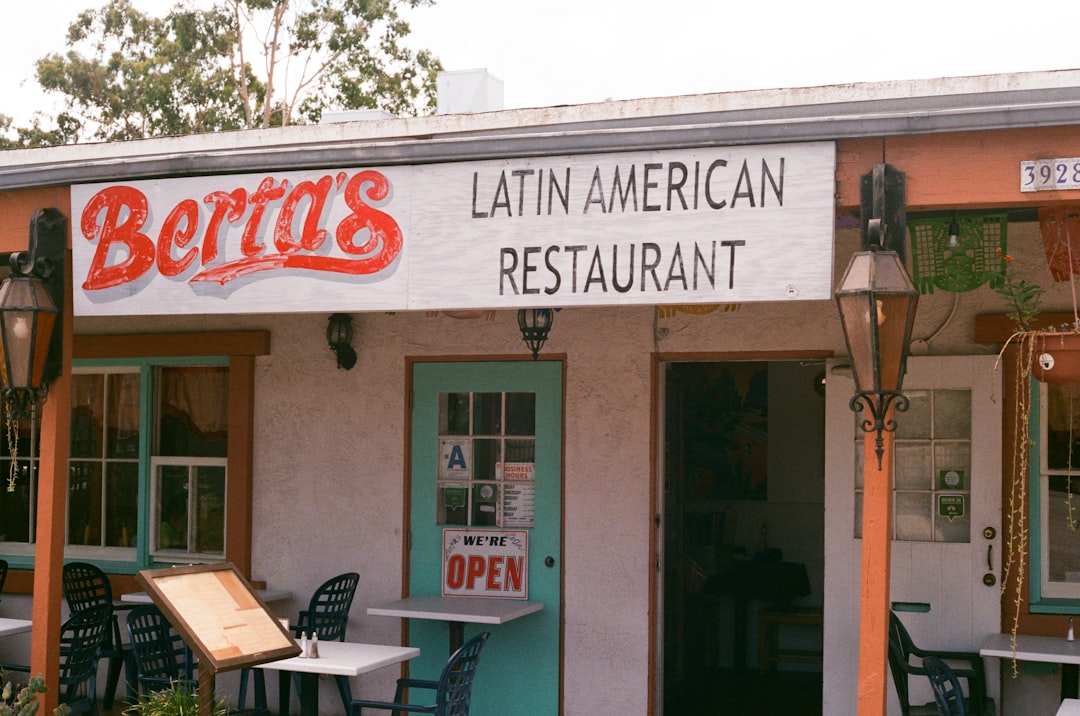
Latin American rivalries are real, they run deep, and they will torpedo your advertising if you ignore them. I've watched brands spend six figures on a pan-regional campaign only to have it tank in three countries because someone in the room thought a specific accent sounded "authentic." The audience didn't think it sounded authentic. They thought it sounded like the neighbor they've been mocking since 1978.
This isn't a minor cultural sensitivity issue you can note and move on from. According to a 2023 Pew Research study, 62% of Hispanic adults in the US say their country of origin or ancestry is an important part of their identity. That means the accent coming out of your commercial isn't just sound — it's a flag. And flags have enemies.
The Historical Weight Nobody Briefs You On
Argentina and Chile have border disputes dating back to the 1800s. Mexico and Guatemala have their own tensions. Peru and Ecuador went to war in 1995. Colombia and Venezuela — don't get me started. These aren't ancient grudges that modern audiences have forgotten. These are living rivalries that show up in soccer matches, political discourse, and yes, the way people react when they hear a certain accent trying to sell them something.
When a Chilean hears an Argentine accent in a Ford commercial, part of their brain — the part that doesn't care about your brand messaging — registers: that's an Argentine. And depending on the person, the product, and the context, that reaction ranges from mild irritation to active rejection. Have you ever listened to an ad and felt vaguely uncomfortable without knowing why? This is often why.
The Spanish voice over regional rivalry impact is measurable. I've seen A/B tests where the same script, same product, same music, with different regional accents, produced conversion differences of 15-20%. The only variable was the accent. That's real money walking out the door because someone thought "Colombian sounds friendly."
Your Creative Director's Favorite Accent
Here's a pattern I see constantly: a creative director has a Colombian friend. Or a Mexican coworker. Or visited Buenos Aires once and loved how people talked. And now that accent becomes the brief. "I want a Colombian accent" appears in the casting call with no strategic logic behind it.
This happens because the decision-maker doesn't know what they don't know. They've never lived in a country where hearing a specific accent triggers an involuntary eye-roll. Americans generally don't have this experience — regional US accents don't carry the same political and historical weight. A Boston accent doesn't make someone from Texas think about a war their grandfather fought.
But here's the thing: your target market absolutely has that experience. And they're not going to fill out a survey explaining why your ad felt off. They're going to scroll past it.
Neutral Spanish Avoids Latin Rivalry Entirely
The solution is neutral Spanish. It exists precisely because these rivalries exist. Neutral Spanish was developed for international broadcasting and advertising — situations where the speaker needed to address multiple countries without triggering regional reactions.
When I record neutral Spanish, I'm deliberately removing the markers that identify me as "from" anywhere specific. The result is a voice that sounds professional, educated, and — this is the critical part — unlocatable. A Mexican listener doesn't hear an Argentine. A Colombian listener doesn't hear a Chilean. They hear Spanish.
According to Nielsen's 2022 Diverse Intelligence Series, pan-Hispanic campaigns that resonate across nationalities see significantly higher engagement than those targeting single demographics. Neutral Spanish is how you build those campaigns without stumbling into a cultural minefield you didn't know was there.
The Spain Accent Mistake
And then there's the other classic error: choosing Spanish from Spain because someone thinks it sounds "sophisticated." The logic usually goes: British English sounds sophisticated to Americans, so Spanish from Spain must sound sophisticated to Latin Americans.
Completely wrong.
Latin Americans mock Spanish people. The lisp (which isn't actually a lisp — it's a different phoneme), the vocabulary, the intonation — all of it reads as either pretentious or ridiculous, depending on the context. I've written about this extensively in why Spanish from Spain will never sound sophisticated to Latin Americans. The short version: you're not getting the British accent effect. You're getting something closer to how Americans hear an exaggerated Southern accent in a serious context.
What Actually Works
One professional who can deliver multiple nuanced options beats a hundred casting submissions every time. When you work with someone who understands these dynamics — who has spent 20+ years navigating them for brands like Google, Nike, and Netflix — you don't need to guess. You get guidance.
I can give you three variants in one session: a slightly warmer read, a more authoritative take, and a completely neutral delivery. You compare them against your target markets. You pick. No algorithm required, no pile of mediocre submissions to sort through, no accidental regional landmines.
(The casting platforms will tell you more options are better. They have to — their business model depends on volume. But more options from unvetted sources just means more time spent filtering garbage. I've seen clients spend weeks on what should have been a two-hour decision.)
The Cost of Getting It Wrong
When your Spanish voice over triggers a negative regional reaction, you don't get angry comments or complaints. You get silence. People skip. They tune out. The ad doesn't land. And you'll never know why because nobody's going to call your brand and say "I didn't buy your product because the voice sounded Argentine and I'm Chilean."
But the data shows up eventually. Lower engagement. Weaker recall. Conversion rates that underperform projections. And somewhere in the post-mortem, someone will suggest the creative wasn't strong enough, or the targeting was off, or the product just didn't resonate with the Hispanic market.
The actual problem was simpler. You picked a regional accent for a pan-regional campaign, and you stepped on a rivalry you didn't know was there.
How to Brief This Correctly
If you're putting together a Spanish voice over brief and you don't speak Spanish, start with one question: is this going to air in multiple Latin American countries or to a mixed Latino audience in the US? If the answer is yes, neutral Spanish is the only defensible choice.
If you genuinely need a regional accent — maybe you're targeting specifically Mexican consumers in Mexico only — then fine, go regional. But make that decision consciously, with full awareness of what you're choosing and what you're excluding. Don't pick an accent because your creative director likes how it sounds.
The US Latino population is 63 million people, according to the US Census Bureau's 2023 estimates. That population includes Mexican-Americans, Cuban-Americans, Puerto Ricans, Dominicans, Colombians, Salvadorans — every country in Latin America is represented. You cannot speak to that entire audience with a regional accent and expect everyone to feel included. Some of them will feel actively excluded, and they won't tell you about it.
The Professional's Job
My job is to serve the brief. If you tell me you need Colombian, I'll deliver Colombian. But I'm also going to tell you what the risks are, and I'm going to suggest an alternative that eliminates those risks. Most of the time, after hearing both options, clients choose neutral. They hear the difference, and they understand why it matters.
That's what 20+ years in this industry buys you. Not just technical skill. Strategic understanding of how 500 million Spanish speakers actually respond to the voice coming out of your commercial.
Need a Spanish voice over for your next project? Get in touch and I'll get back to you within the hour.